

The Allure of Casino Gambling
Casino gambling has long been a captivating pastime, drawing millions of enthusiasts around the world. Its allure stems from a combination of excitement, the prospect of financial gain, and the social environment that gaming establishments provide. People often view casinos as places where fortunes can be made within moments, especially when they explore the best online casino in new zealand , offering an escape from the mundane. This glamorized image is often bolstered by films and media that depict high-stakes betting as an opportunity for instant wealth.
However, beneath this glittering facade lies a more complex reality about gambling. Many individuals enter casinos with unrealistic expectations, influenced by the notion that luck will always favor them. Statistically speaking, the odds are structured in a way that favors the house, meaning long-term success is rare and regular players often face inevitable losses. The emotional high of winning can create an addictive cycle, leading some to chase their losses in hopes of turning their luck around.
The thrill of the game, combined with the vibrant surroundings, creates a unique atmosphere that can cloud judgment. Many players find themselves drawn into the experience, often forgetting about the possibility of financial repercussions. It’s essential to recognize that while the excitement of casino gambling can be enjoyable, the risks and realities must be understood clearly. Awareness of these factors is crucial for anyone considering engaging in this popular pastime.
The Financial Reality of Gambling
A common myth surrounding casino gambling is the belief that it is a reliable source of income. Many players envision themselves winning big and using their gambling winnings to supplement their daily lives. In reality, slot machines, table games, and poker are designed primarily for entertainment, not as a means of financial security. The vast majority of players do not emerge as winners in the long term, making it essential to approach gambling with a mindset focused on enjoyment rather than profit.
The house edge in most games guarantees that the casino will prevail over time. This financial imbalance is often overlooked, with players assuming that they can outsmart the system. While skill can play a role in games such as poker or blackjack, outcomes in games of chance like roulette or slots are completely random. Therefore, relying on gambling as a steady source of income is a dangerous illusion that can lead to significant financial distress.

Understanding the financial implications of gambling is essential for responsible play. Setting a budget, knowing when to walk away, and treating gambling as a form of entertainment rather than a money-making scheme are key strategies for maintaining control. By acknowledging the statistical realities and establishing limits, players can enjoy the excitement of the casino without falling into the trap of financial dependency on gambling.
The Myth of Skill in Casino Gambling
There’s a pervasive belief that skill plays a significant role in all casino games, which can lead to misconceptions about how to succeed. While games like poker and blackjack involve an element of strategy and skill, many other popular games, such as roulette and slots, are purely based on luck. This common myth leads some players to invest time and resources in attempting to master games that are not influenced by skill, ultimately leaving them disappointed when luck does not favor them.
For instance, poker players may feel empowered by their knowledge of strategy and psychology, but even the best players cannot control the cards they are dealt. Similarly, although blackjack involves decision-making that can influence the outcome, the house edge still remains. Recognizing the limitations of skill in various games is critical for players to avoid the false sense of security that can come from believing proficiency guarantees success.
Moreover, the notion that someone can develop a foolproof system to beat the odds is a fallacy. Many players invest time and money into strategies, only to find that they do not manifest in better results. Understanding the role of luck versus skill will enable casino-goers to engage more realistically with the games, leading to a healthier approach to gambling. Accepting that luck is an inherent part of gaming can mitigate frustration and foster a more enjoyable experience.
The Social Dynamics of Gambling
The social aspect of casino gambling is often a double-edged sword. While many people are drawn to casinos for the camaraderie and interaction with other players, this environment can also lead to a host of challenges. The excitement and energy of a bustling casino may encourage impulsive behavior, as players feed off the enthusiasm of their surroundings. This can lead to increased betting and a greater willingness to take risks.
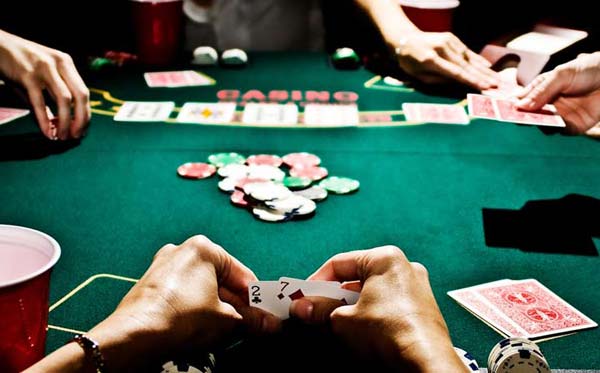
Additionally, the social dynamics present in a casino can foster competition among players, pushing them to gamble more than they might otherwise. The sense of belonging and shared experiences can create peer pressure, leading to decisions that might not align with individual financial limits. Understanding these social influences is essential for maintaining control and making responsible gambling choices.
On the other hand, the social environment can also enhance the gaming experience when approached with awareness. Engaging with friends or meeting new people can make gambling more enjoyable and can help create memorable experiences. By fostering a balanced perspective on the social dynamics of gambling, individuals can enjoy the camaraderie while avoiding the pitfalls of excessive gambling behavior.
Responsible Gambling and Awareness
For anyone interested in casino gambling, cultivating responsible gambling habits is paramount. This involves recognizing the signs of potential gambling-related issues and understanding how to safeguard against them. Education about the games, the odds, and the long-term implications of gambling is essential for anyone looking to partake in this form of entertainment. Setting personal limits on time and money can also aid in maintaining a balanced approach.
Moreover, many casinos promote responsible gaming initiatives and provide resources for individuals who may need support. Understanding personal motivations for gambling, as well as being aware of the risks, can help players navigate their experiences with clarity. It’s essential to treat gambling as a recreational activity rather than a solution to financial problems or emotional distress.
By fostering a culture of awareness and responsibility, players can fully enjoy the excitement of casino gambling while minimizing the risks associated with it. Establishing healthy routines and seeking help when necessary are crucial steps towards ensuring a positive and enjoyable gaming experience.